Key takeaways
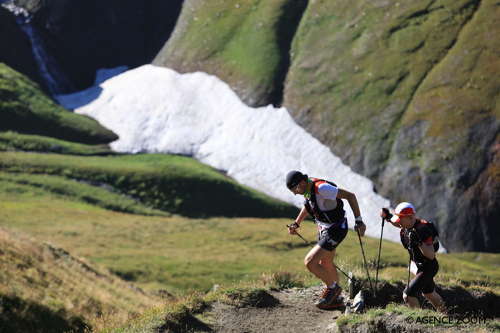
- The trail running capital of the world : Chamonix hosts the UTMB and the Mont-Blanc Marathon, with marked trails open throughout the warm season. Its advantage: the ski lifts, which open up the high mountains without having to climb the initial elevation gain.
- 5 trails for all levels : from the Petit Balcon Sud (10 km, 300 m elevation gain, beginner) to the Grand Balcon Sud (13 km, 600 m elevation gain), passing by Lac Blanc (8 km round trip, 500 m elevation gain), Bovine (16 km, 900 m elevation gain) and La Jonction (14 km, 1,200 m elevation gain, advanced).
- The Grand Balcon Sud, a classic : the most iconic route, traversing the Aiguilles Rouges facing Mont-Blanc, between La Flégère and Le Brévent.
- The ideal time: April to November depending on the altitude. April for getting back on track in the valley bottom, July for the buzz of the races, September-October for tranquility and autumn colors.
- Essential preparation : trail shoes, collapsible poles, waterproof jacket, at least 1.5 L of water, and energy bars. And always stay on marked trails.
Why Chamonix is the Trail Running Capital of the World
It's no coincidence that Chamonix hosts the UTMB (Ultra-trail du Mont-Blanc) every year, the most prestigious trail race on the planet. The valley brings together everything a trail runner could wish for: technical high-altitude trails, flowing forest single tracks, spectacular ridge crossings, and breathtaking panoramas around every bend.
But beyond the UTMB, a whole trail running culture has developed here. The Mont Blanc Marathon, held every summer, is another major event that attracts thousands of runners from around the world. These competitions have helped make Chamonix a must-visit destination, but the real treasure is the trails themselves: accessible throughout the good season, marked and maintained, they offer almost infinite possibilities.
Another asset of the valley is its infrastructure. Thanks to the ski lifts, you can quickly access high altitudes and design trail routes that would otherwise be reserved for mountaineers. This is what makes Chamonix unique: high mountain terrain within reach.
The best trail routes in Chamonix
The Grand Balcon Sud: the panoramic classic
Distance: 13 km | Elevation gain: 600 m | Level: intermediate
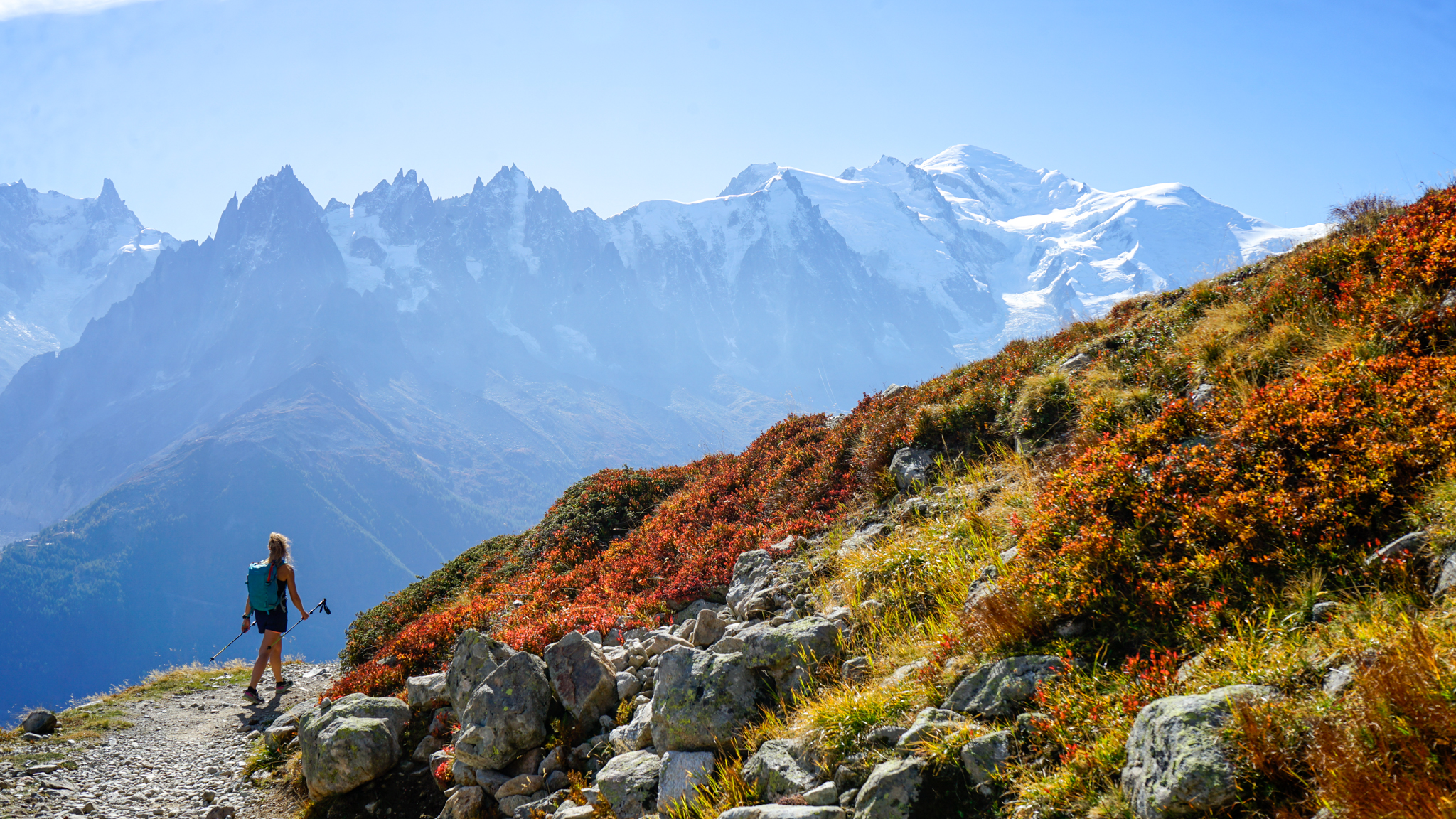
This is probably the most iconic trail route in the valley. The Grand Balcon Sud winds along the slopes of the Aiguilles Rouges, facing the Mont Blanc massif. The trail connects La Flégère to Le Brévent (or vice versa, depending on your preference) and offers uninterrupted panoramic views of glaciers, peaks, and snow-capped summits.
The terrain is varied: rolling sections on wide trails, more technical passages over scree, and some steep climbs that will burn your thighs. Take the Flégère gondola to reach the start, then let yourself be carried away by this exceptional trail. In summer, set off early in the morning: the low-angle light on Mont Blanc at sunrise is a sight you won't forget.
The Petit Balcon Sud: ideal for beginners
Distance: 10 km | Elevation gain: 300 m | Level: easy to intermediate
If you're new to trail running or looking for a more accessible route, the Petit Balcon Sud is perfect for you. It runs through the undergrowth on the slopes of the Aiguilles Rouges, at a more modest altitude than its bigger sibling. The trail connects Les Houches to Argentière via Chamonix, but you can, of course, just do a section of it.
The terrain is mainly forested, with soft ground and roots that add a playful element. Gaps in the trees offer magnificent views of the valley. It's an excellent route for working on your smooth descent technique, or simply for the joy of running in nature without pushing too hard.
The Mont-Blanc Express loop: Bovine and the Alpine Pastures
Distance: 16 km | Elevation gain: 900 m | Level: intermediate to advanced
For those who want to experience the atmosphere of the Tour du Mont-Blanc without dedicating a whole week to it, the loop via Col de la Forclaz and the Bovine alpine pastures is a real gem. From Col des Montets or Vallorcine, you climb towards the Swiss border before crossing vast alpine pastures where cows graze. The scenery is completely different from the rest of the valley: softer, more pastoral, almost bucolic.
The return route along the ridges offers a sweeping view of the Trient Valley on the Swiss side and the Mont Blanc massif on the French side. It's a challenging route with some tough climbs, but the reward is well worth the effort.
La Jonction: for trail runners seeking thrills
Distance: 14 km | Elevation Gain: 1,200 m | advanced
Head towards Les Houches for this demanding route that takes you to the foot of the Bossons Glacier. The ascent is steep, technical in places, and leads you through landscapes that change dramatically with altitude: forest, moraines, rocky chaos, and finally, ice. Upon reaching La Jonction (the meeting point between the Bossons Glacier and the Taconnaz Glacier), you are in the heart of the high mountains.
This route requires experience and good physical condition. The moraine sections are unstable and demand concentration. But for an experienced trail runner, it's one of the most spectacular courses in the valley (the kind of outing you'll still be talking about months later!).
Lac Blanc via La Flégère: The Panoramic Trail
Distance: 8 km (round trip) | Elevation Gain: 500 m | Level: intermediate
A concentration of everything that makes trail running in Chamonix magical. From La Flégère, the trail ascends towards Lac Blanc through spectacular alpine terrain. Scree fields, cabled sections (easy but impressive), and at the end of the path, this high-altitude lake with turquoise waters set facing Mont-Blanc. It's one of the most photographed panoramas in the Alps, and experiencing it while running amplifies the emotion.
The round trip is relatively short, making it an excellent complement to another outing during the day. Or simply a morning run before enjoying the rest of your day: there's so much to do in Chamonix in summer!
Practical Tips for Trail Running in Chamonix
Before embarking on this new running adventure, here are some practical tips, applicable to all levels:
- The Weather, Always the Weather : in the mountains, conditions can change in minutes. Check the forecast before each outing and always carry a waterproof jacket, even in good weather.
- Hydration and Nutrition : high-altitude trails are demanding, and it's often warmer than you might expect. Plan for at least 1.5 liters of water and a few energy bars, even for a short outing.
- Respect the Trails : the valley is a fragile ecosystem. Stay on marked paths, leave no trace, and share the trails with hikers: a friendly "hello" when passing always goes a long way.
- Gear Up Properly : trail running shoes with good grip are essential on Chamonix's trails. Folding poles are a real asset on long ascents and technical descents.
When to Run in Chamonix: The Trail Runner's Calendar
While Chamonix is a trail running destination throughout the warmer months, certain periods are particularly suitable depending on your goals and fitness level. From April, the valley floor trails and the Petit Balcon become accessible again, even if snow persists at higher altitudes. This is the ideal time to ease back into running after winter and work on positive elevation gain on the lower routes.
In July, the mountains are in peak condition: all trails are open, lifts are running, and the atmosphere is electric with the Mont-Blanc Marathon. It's also the time for the UTMB World Series trail, which attracts runners of all levels from across the Alps (and beyond). Registration for the various races (from short discovery formats to ultra-distances) often happens months in advance, so plan ahead if you're aiming to participate!
September and October are the preferred months for connoisseurs. Temperatures are mild, crowds thin out, and autumn colors transform every outing into a visual adventure. It's the perfect season to tackle routes without the crowds, whether you're exploring the south balcony or the Swiss-side alpine pastures towards Saint-Gervais. Even in November, seasoned trail runners can still find good weather windows on lower-altitude trails before nature definitively switches to winter mode.
After Trail Running: Recovering in Chamonix
After a big trail run, there's nothing quite like a moment of relaxation to let your legs recover. If you're staying in a Chamonix hotel-spa, you can follow up with a hot shower, sauna, and massage without even getting back in the car. It's the ultimate luxury for a trail runner: exceptional trails during the day, comfort and well-being in the evening.
And if your stay coincides with one of the valley's major events, don't miss the electric atmosphere of a festival in Chamonix. Trail running and festivities – it's the perfect combination for a stay you'll remember for a long time!
Questions about Trail Running in Chamonix
What essential equipment is needed for trail running in Chamonix?
To trail run safely in Chamonix, it's essential to wear trail shoes with good grip, suitable for technical and rocky terrain. Folding poles are also recommended to assist with long ascents and descents. A lightweight waterproof jacket is indispensable due to the changeable mountain weather, as is a hydration pack containing at least 1.5 liters of water and some energy bars for refueling.
How to physically prepare for a trail run in Chamonix?
Physical preparation for a trail run in Chamonix should include regular leg strengthening sessions, particularly ascents and descents, to accustom your thighs and calves to significant elevation changes. It's advisable to incorporate interval training to improve endurance and cardiovascular capacity, as well as long runs on technical trails to adapt to the terrain. Finally, even moderate altitude training will help with acclimatization to the Chamonix environment.
What are the best times for trail running training in Chamonix, depending on the season?
Trail conditions in Chamonix vary by season. In spring (April), lower-altitude routes like the Petit Balcon Sud become accessible as the snow gradually melts, ideal for getting back into shape. Summer, from July to August, offers optimal conditions with all ski lifts open. In September and October, temperatures are mild and trails are less crowded, which is perfect for experienced runners seeking more tranquility and autumnal landscapes. In winter, trail running is generally reserved for very seasoned athletes due to the harsh winter conditions.
How to combine trail running with environmental respect in Chamonix?
To preserve the fragile ecosystem of the Chamonix valley, it is essential to stay on marked trails to prevent erosion and disturbance to local flora and fauna. You must also carry out all your waste, leaving nothing behind. Sharing paths with hikers requires courteous behavior, such as greeting other users. Finally, avoiding running in sensitive areas or during animal breeding seasons contributes to the preservation of this exceptional terrain.
What are the advantages of ski lifts for trail running in Chamonix?
Chamonix's ski lifts provide easy and quick access to high altitudes, significantly expanding the range of trail running routes available. They reduce the fatigue accumulated during ascents. Accessible to both beginners and experienced trail runners, these lifts offer a unique advantage: the chance to discover breathtaking high-altitude landscapes without having to climb the initial elevation on foot, thus allowing you to dedicate your energy to running at altitude on spectacular courses suitable for all levels.
.jpg)
